
ByJohn A
Choosing Algae Bioreactor Equipment for Reliable Culture Growth
Selecting the right algae bioreactor equipment is one of the most consequential decisions a cultivation operation will make, since the equipment directly shapes culture density, growth consistency, and long-term production costs. Buyers navigating this decision benefit from understanding the key equipment categories and how they differ.
Categorizing the Main Equipment Types
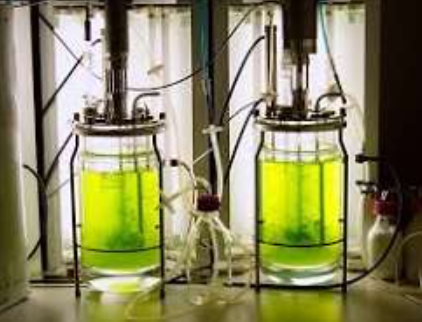
Algae bioreactor equipment generally falls into a few broad categories: tubular systems, flat-panel reactors, column reactors, and stirred-tank designs adapted from fermentation technology. Each category offers a different balance of surface-area-to-volume ratio, ease of cleaning, and scalability.
Matching Equipment to Strain Requirements
Different algae strains have different tolerances for shear stress, light intensity, and mixing methods. Equipment that works well for a robust, fast-growing strain may be entirely unsuitable for a more delicate species, which is why matching equipment specifications to the specific strain being cultivated is a critical early step.
Material Selection and Durability
The materials used in construction, whether glass, polycarbonate, or food-grade plastics, affect both light transmission and long-term durability. Buyers should confirm that the materials used are appropriate for the intended application, particularly for food or pharmaceutical-grade production where material safety certifications matter.
Automation and Monitoring Capabilities
Modern algae bioreactor equipment increasingly includes built-in sensors for pH, dissolved oxygen, and temperature, paired with automated control systems. This level of automation reduces the labor required for day-to-day monitoring and helps maintain more consistent culture conditions across production runs.
Cleaning and Sterilization Considerations
Since contamination can compromise an entire production batch, the ease of cleaning and sterilizing equipment between runs is a practical factor that’s sometimes overlooked during the purchasing decision. Equipment with fewer hard-to-reach corners or joints generally proves easier to maintain over time.
Comparing Available Equipment Options
Buyers evaluating their options can review the range of configurations offered through algae bioreactor equipment suppliers to compare reactor geometries, control systems, and material specifications side by side.
Budgeting for Total Cost of Ownership
Beyond the initial purchase, buyers should factor in energy consumption, replacement parts, and the labor required for ongoing operation when comparing equipment options, since the lowest upfront price doesn’t always translate to the lowest total cost over the equipment’s operating life.
Frequently Asked Questions
What is the most important factor when choosing bioreactor equipment for a new algae strain? Matching the equipment’s light delivery method and shear tolerance to the specific requirements of the strain is typically the most important consideration.
See also: Choosing Leather Backpacks That Work Harder Than a Traditional Bag
Does more automation always mean better results? Not necessarily, but for operations running multiple simultaneous batches, automated monitoring generally improves consistency and frees up staff time for other tasks.
How often does bioreactor equipment need to be cleaned or sterilized? This depends on the application and strain being cultivated, but most commercial operations clean and sterilize equipment between every production batch to prevent contamination carryover.
Final Thoughts
Choosing the right algae bioreactor equipment requires balancing strain-specific requirements, material durability, and long-term operating costs. Careful evaluation of these factors upfront helps producers avoid costly equipment mismatches down the line.
