ByJohn A
Top Fantastic Travel Attractions in Chengdu
Chengdu, the capital of China’s Sichuan Province, is a vibrant metropolis renowned for its rich cultural heritage and culinary delights. Known as the home of the giant panda, this city attracts numerous tourists eager to experience its unique blend of ancient history and modern urban life. From the traditional teahouses of Jinli Ancient Street to the breathtaking scenery of the surrounding Sichuan mountains, Chengdu offers visitors a wide array of experiences. The city’s famous cuisine, particularly its hot pot and spicy Sichuan dishes, showcases its bold flavors and culinary innovations. As a key city in southwest China, Chengdu serves as a gateway to many other attractions in the region, including the picturesque Jiuzhaigou Valley and the historical town of Huanglong.
For those planning to visit Chengdu, Cathay Pacific provides flight services from Jakarta To Chengdu making travel convenient and accessible. The city boasts a well-developed transportation system, including an extensive metro network and bus options that allow for easy navigation. Chengdu’s blend of modernity and tradition is evident in its skyline, dotted with shimmering skyscrapers alongside beautifully preserved temples. Cultural enthusiasts will appreciate Chengdu’s vibrant arts scene, which features theatrical performances, traditional music, and contemporary art exhibitions. The city also plays host to various festivals throughout the year, celebrating everything from local food to traditional customs. Ultimately, a trip to Chengdu promises a memorable experience that combines the thrill of exploration with the warmth of authentic Chinese hospitality. Whether you are a foodie, a nature lover, or someone interested in history and culture, Chengdu has something unique to offer every traveler.
Mount Qingcheng
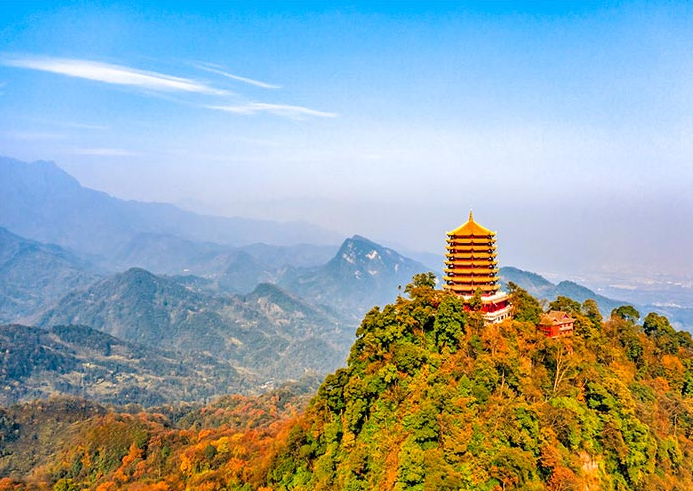
Mount Qingcheng, located in Sichuan Province, China, is renowned for its breathtaking natural beauty and significant cultural heritage. This mountain ranges approximately 1,600 meters in elevation and is part of the greater Qingcheng Mountain Range. It is one of the birthplaces of Daoism, an indigenous religious and philosophical tradition of China. The mountain’s lush, green landscape is adorned with a myriad of ancient temples and pavilions, which attract visitors seeking both tranquility and spiritual enlightenment.
The scenic beauty of Mount Qingcheng is complemented by its rich biodiversity. The area is characterized by a subtropical climate, leading to a thriving ecosystem of flora and fauna. Thick forests, rare medicinal herbs, and vibrant wildlife create an enchanting atmosphere that captivates hikers and nature enthusiasts. Designated as a UNESCO World Heritage site in 2000, Mount Qingcheng is not only a treasure trove for those interested in environmental conservation but also a haven for outdoor adventurers looking to explore winding trails and picturesque vistas.
Historically, Mount Qingcheng has been a critical site for the development and propagation of Daoism. Its temples and monastic complexes, such as the famed Tianshi Palace and the Wangshi Pavilion, serve as cultural landmarks that reflect the architectural styles of various dynasties. Pilgrims often visit these sacred sites to pay homage and seek blessings, contributing to the mountain’s vibrant spiritual life. Visitors can immerse themselves in the history and philosophy of Daoism while quietly observing the rituals and practices of its followers.
In addition to its spiritual and ecological significance, Mount Qingcheng offers a range of recreational activities, making it an attractive destination for tourists of all ages. From hiking and rock climbing to photography and meditative retreats, this enchanting locale provides a diverse array of experiences. With its harmonious blend of nature, culture, and spirituality, Mount Qingcheng remains a quintessential representation of China’s natural wonders and ancient traditions, inviting all who venture there to find solace in its captivating embrace.
See also: pickuki
Chunxi Road
Chunxi Road, located in the heart of Chengdu, is a bustling commercial street that perfectly encapsulates the essence of modern Chinese urban life. As one of the most famous shopping districts in the country, it’s essential to plan your visit to make the most of the vibrant atmosphere and diverse offerings. Here are some tips to help you enjoy your time on Chunxi Road.
First and foremost, timing your visit is crucial. The street can get incredibly crowded, particularly on weekends and public holidays. For a more relaxed experience, try to visit during weekday afternoons when foot traffic is relatively lighter. This timing allows for easier navigation through shops and eateries, giving you ample opportunity to explore without feeling rushed.
Next, prepare for the culinary delights that Chunxi Road has to offer. The area is known for its diverse food scene, from street vendors selling local snacks to upscale restaurants featuring Sichuan cuisine. Don’t miss the opportunity to try the famed spicy hot pot or mouth-watering mapo tofu. To avoid long wait times, consider visiting popular eateries during off-peak hours or opting for lesser-known spots that may serve equally delicious dishes.
Finally, don’t forget to explore beyond just shopping and food. Chunxi Road is also home to several cultural and artistic installations, making it a wonderful place for photography enthusiasts. Keep your camera ready to capture the vibrant street art and local craftsmanship. Additionally, while shopping, remember to haggle at smaller stalls for souvenirs—it’s part of the experience and can lead to some great bargains. With these tips in mind, your visit to Chunxi Road is sure to be memorable and rewarding.
Sichuan Opera
Visiting Sichuan Opera is a unique cultural experience that immerses you in the rich traditions of Chinese performing arts. To ensure you fully appreciate the performance, it’s essential to understand the nuances of this art form. First, familiarize yourself with the history and characteristics of Sichuan Opera. Unlike other operas, it is known for its vibrant costumes, acrobatic displays, and especially the fascinating ‘face-changing’ act (Bian Lian), where performers change masks in a matter of seconds. Knowing these elements beforehand will heighten your anticipation and enjoyment.
When planning your visit, consider attending a performance at one of the notable theaters in Chengdu, such as the Shufeng Yayun Tea House or the Chengdu Sichuan Opera House. These venues often provide a more traditional and intimate setting, enhancing the overall experience. Arrive early to secure good seats and soak in the ambiance. Many venues offer a pre-show tea service, which allows you to relax and enjoy local snacks while the backdrop is set for the performance.
Dress comfortably for your evening out, but also embrace the local culture; wearing something colorful can add to the festive atmosphere. Engage with the performers and staff if the opportunity arises, as they often enjoy sharing their passion for this ancient art form. It’s also wise to read up on the basic plotlines of the most popular performances, as this will help you follow along and appreciate the narratives being portrayed on stage.
Finally, don’t forget to capture the moments, but be respectful of the performance and the audience around you. In some venues, photography may be prohibited during the show, so check the rules beforehand. Leaving with a deeper understanding and appreciation of Sichuan Opera not only enhances your experience but also allows you to carry a piece of this vibrant culture with you long after the curtain falls.